How I work
I connect the operation behind the software.
I work as an operational architect: I learn how an organisation runs, design how its people and information fit together, and take responsibility for turning that design into working software.
I focus on membership organisations where records, trust and continuity matter. I stay close to the people using the system so I can see whether it works in practice.
My work in practice
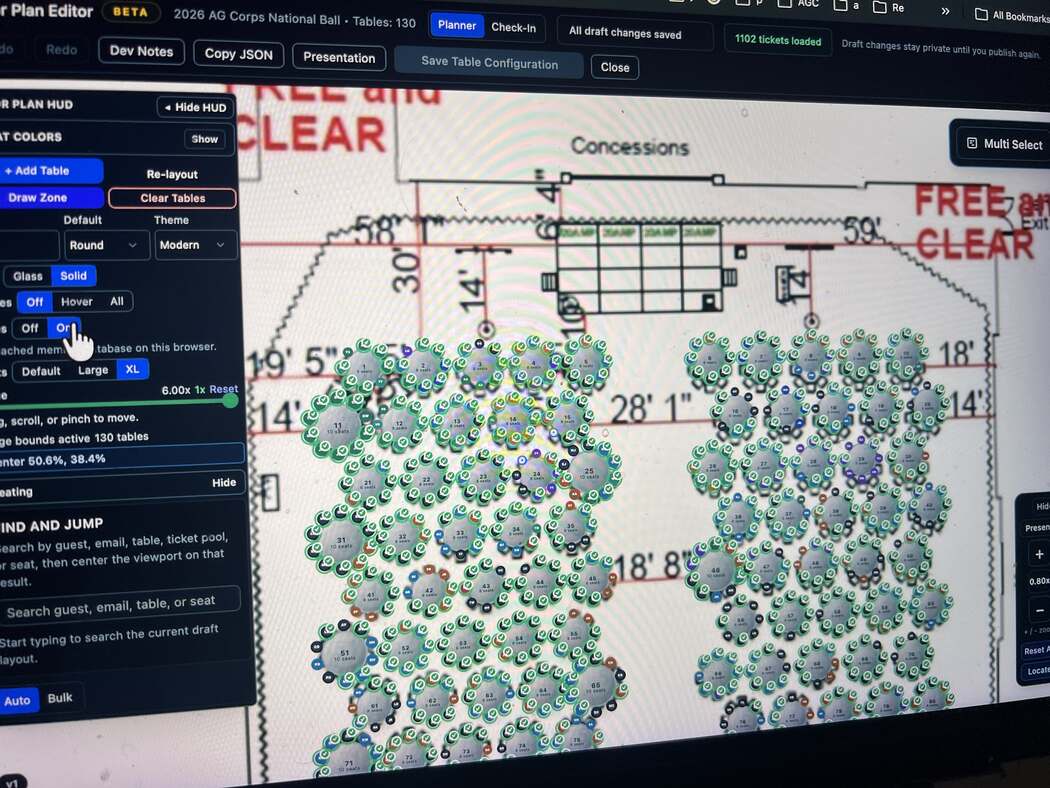
I help AGCRA run its association.
I build and support membership, awards, events and operational systems for the Adjutant General’s Corps Regimental Association (AGCRA), a U.S. Army professional association.
See my work with associations →After just one session detailing the intent of integrating different platforms and streamlining our workflow processes, Nikos was able to quickly formulate and present a significantly improved and detailed plan.
E. Ramirez · VP, Awards, AGCRA
Brilliant service from start to finish. He took the time to understand exactly what I wanted and brought the whole idea to life better than I imagined. He was easy to deal with, listened to my ideas, and made sure everything was just right. I’d definitely recommend him to anyone looking for someone who genuinely cares about the work they do.
Customer testimonial for asbestosce.com
Current website preview
Open asbestosce.com ↗My engagement structure
I start with a review, then agree each next step.
I do not assume a new system is the answer. I first establish what is going wrong, what it costs in time or risk, and whether a simpler change would solve it.
-
I review the operation.
I agree a fixed fee and scope before starting.
I talk with the people doing the work and trace how information moves between tools, teams and decisions. I look for repeated work, unclear ownership and points where important information can be lost.
- I map the current workflow, systems and handoffs.
- I record the main risks and unresolved questions.
- I recommend priorities in a written decision note, including what I would leave alone.
-
I design the system.
I scope and price the design separately.
I define the records, responsibilities, permissions and exceptions the software needs to represent. I work out what can be reused, what needs configuration and what needs custom development.
- I document how the operation and its records fit together.
- I plan integrations, migration and access controls.
- I set delivery milestones and checks that show whether the system works as agreed.
-
I deliver and support it.
I agree milestones and an ongoing support scope.
I build and test in stages, check the system with the people who use it and plan the move into live operation. I use what happens in practice to guide further improvements.
- I provide tested software and an agreed release and recovery plan.
- I document routine operation and handover.
- I agree monitoring, support hours, response expectations and how changes are commissioned.
Where I fit
I work best when the problem crosses teams and tools.
I focus on military, veterans’ and professional associations managing members, chapters, awards, events and payments. I am particularly interested in work where staff or volunteer changes make reliable records and clear responsibilities essential.
I also work with mission-led organisations and founders whose services depend on trust, privacy and continuity, when the same need to connect people, decisions and software is present.
I built Military OS for association operations. During a review, I assess whether it fits, whether existing tools can be improved, or whether a custom system is justified.
How I keep control
I use AI for speed and keep responsibility for the result.
I use artificial intelligence (AI) to help with implementation, review and testing. I remain responsible for the requirements, design, release decisions and checks on its output.
I agree how we will assess improvement before building: for example, time spent reconciling records, repeated data entry or the effort needed to hand work to a new officer. I compare the result with that starting point.
I treat documentation, handover and support arrangements as part of the work. I want the organisation to retain the knowledge it needs to operate the system.
My starting point
I start with the part that is hardest to run.
I can assess fit from a short description of the organisation, the workflow causing trouble and the systems involved. I then propose a paid review with an agreed scope, fee and written outputs. I quote design, delivery and ongoing support separately.